
Traditional Lifestyle Routines and Daily Habits
Beyond diet, the daily structure of a man's life determined his long-term vigor. Traditional societies operated on a set of unspoken rules regarding movement, rest, and environmental exposure.

Context: The Dawn Hour
Introduction
This section archives the lifestyle habits that were once common practice but have since become "hidden" knowledge in the modern world.
Our ancestors did not view wellness as a series of isolated choices or expensive products. Instead, vitality was the natural outcome of a life lived in rhythm with the environment. The way a man woke, the way he moved across the land, and the way he retreated into silence were all deliberate components of his constitution.
By documenting these men's vitality habits, we aim to bridge the gap between historical folk wellness practices and contemporary life. These are not just ancient wellness routines; they are the fundamental building blocks of a grounded, resilient existence.
The Dawn Ritual
Many folk traditions emphasize the importance of the hour before sunrise. Whether it was for contemplation, light movement, or cold-water washing, starting the day with the sun was seen as essential for aligning the body's internal clock.
"The man who masters the dawn, masters his day." — Iberian Folk Maxim
Cold Water Tempering
The practice of plunging into cold streams or using cold water for the morning wash is a recurring theme in the history of male vitality. Known as "tempering" the constitution, this habit was believed to improve resilience to the elements and sharpen the mind. We explore the historical contexts of these hydro-traditions from Russia to the Mediterranean.

Functional Labor vs. Exercise
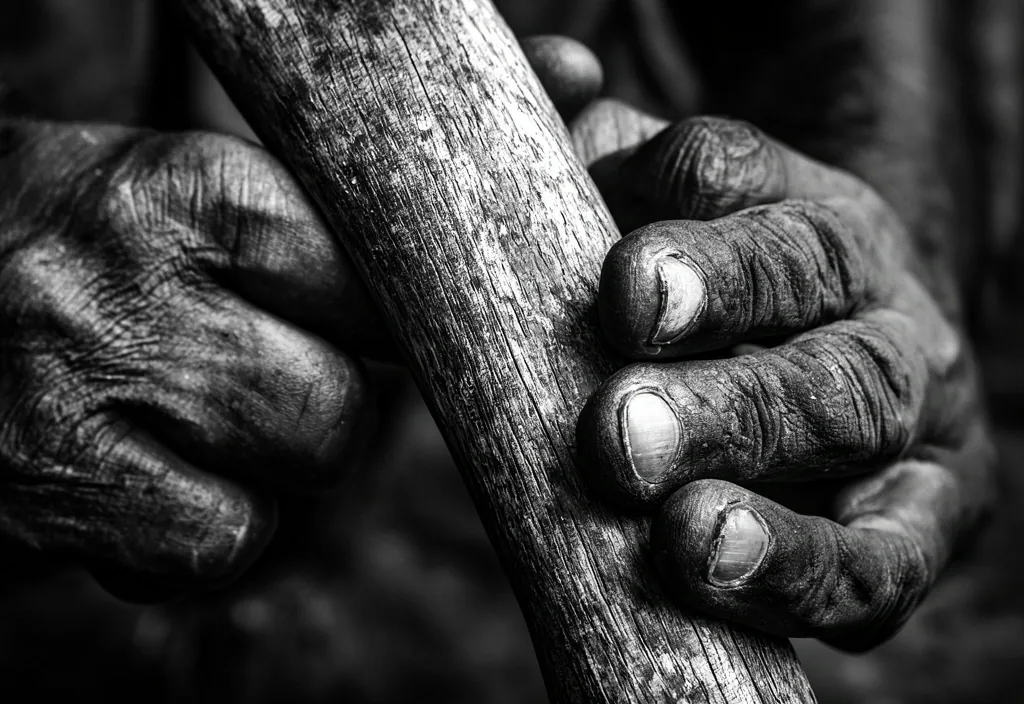
In traditional settings, strength was a byproduct of life, not a goal of the gym. Carrying water, chopping wood, and walking long distances over uneven terrain provided a comprehensive physical "routine."
These functional tasks built a type of durable strength that is often missing in modern fitness paradigms. The grip of a woodsman or the posture of a stone-layer was forged through hours of practical application, ensuring that the body was ready for the demands of the real world.
The Art of the Siesta
In the Mediterranean, the mid-day rest is a historical necessity. Far from being a sign of laziness, the siesta allowed the body to recover during peak heat, preserving energy for the evening.
Earth Connection
Many folk traditions speak of the importance of maintaining a physical connection to the earth. Barefoot walking or working soil was believed to draw "vital energy" directly from the ground.
Silence and Solitude
Historical wellness traditions often included periods of quiet — whether during a hunt, a long walk, or a craft — to maintain mental focus and reduce the "noise" of life.
Breath in Tradition
The rhythmic breathing of a long-distance walker or the deep abdominal breaths of an artisan are examples of how men historically managed their internal state.
The Evening Wind-Down
The transition to night was marked by the dimming of fires and the cessation of heavy labor. Traditional habits involved storytelling, light maintenance of tools, and a gradual withdrawal from the day's stresses.
We examine how these routines prepared the body for deep, restorative sleep. Unlike the blue-light stimulation of the modern evening, the ancestral night was a time of true decompression. This natural daily habit ensured that the following day began with renewed vigor and clarity.

Continuing the Search
Our archive of lifestyle traditions is a living project, documenting the folk wellness practices that defined the strength of our ancestors.
Tradición Viril is an educational resource. We document historical folk methods and lifestyle routines. We do not provide clinical guidance or treatment advice for medical conditions.