
Historical Archives // Index 01
Historical Perspectives on Male Vitality and Cultural Wellness Heritage
Tradición Viril serves as a digital archive for the study of folk traditions, historical lifestyle practices, and cultural heritage focused on male vigor. Based in Valencia, Spain, we document the ancestral habits that different civilizations used to maintain strength and energy throughout the life cycle.
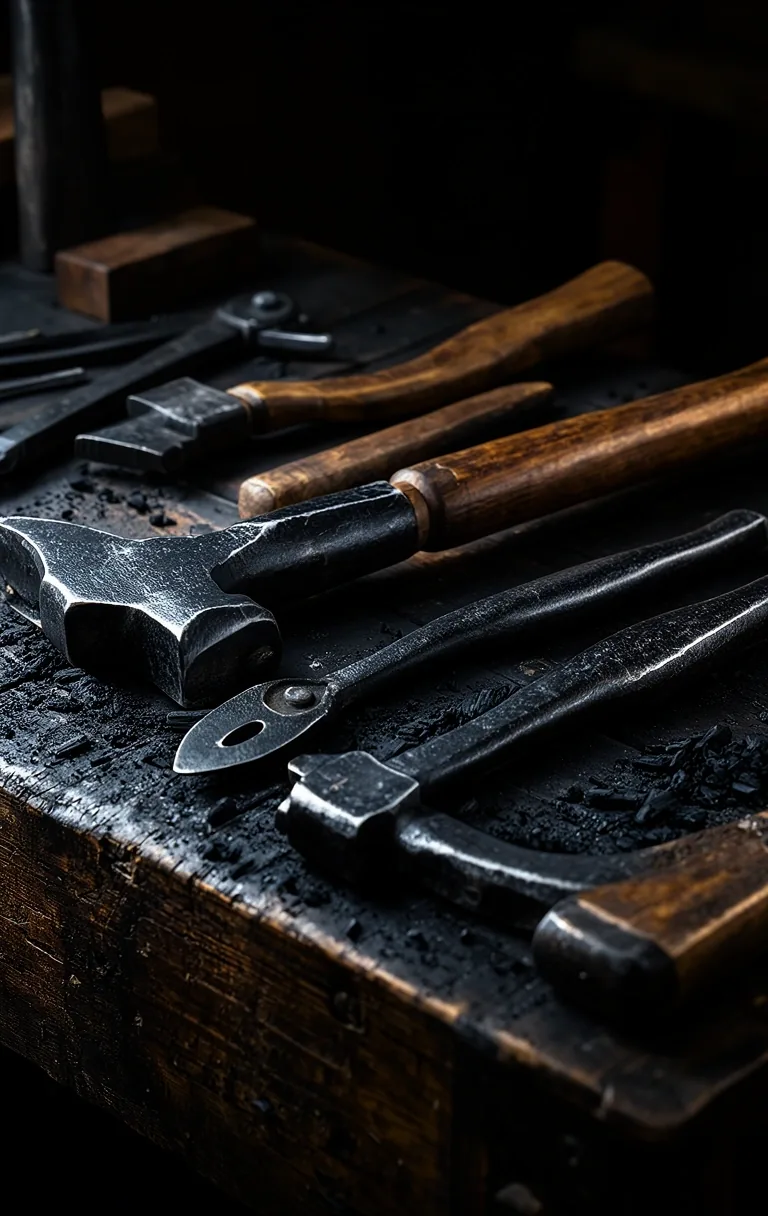
Preserving traditional knowledge rather than providing modern clinical interventions. Our focus is purely educational.
Chapter One // The Legacy
Vigor was rarely seen as a static trait in historical contexts.
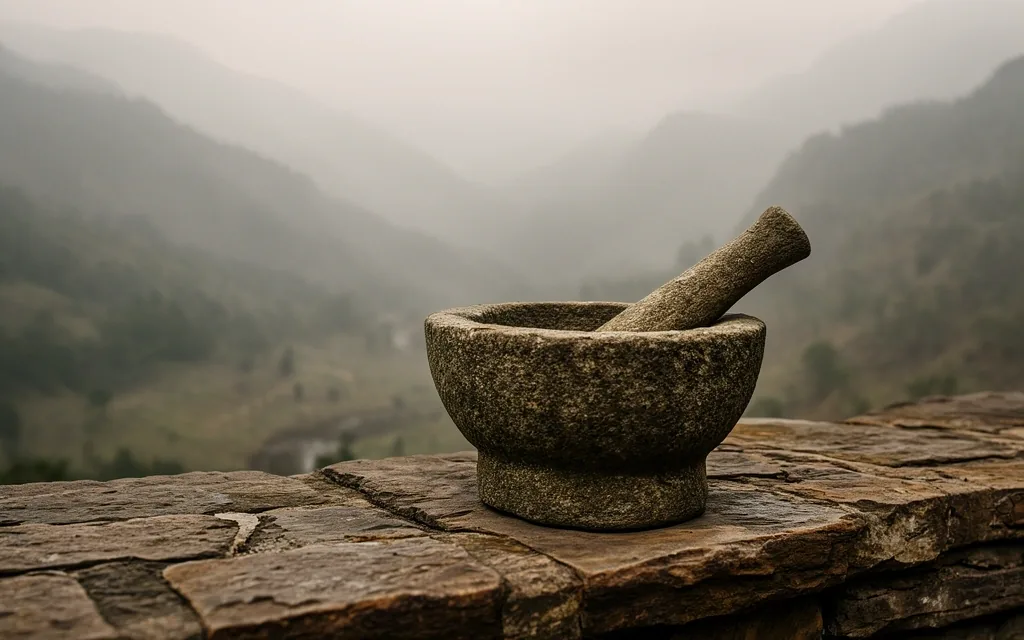
Across diverse cultures, from the Mediterranean basin to the highlands of the Andes, maintenance of strength was viewed as a lifelong pursuit involving specific environmental and dietary interactions.
We examine these cultural blueprints to understand how previous generations approached the concepts of stamina and resilience through simple, repeatable daily actions.
Regional Focus // Valencia
Mediterranean Vigor and Coastal Heritage
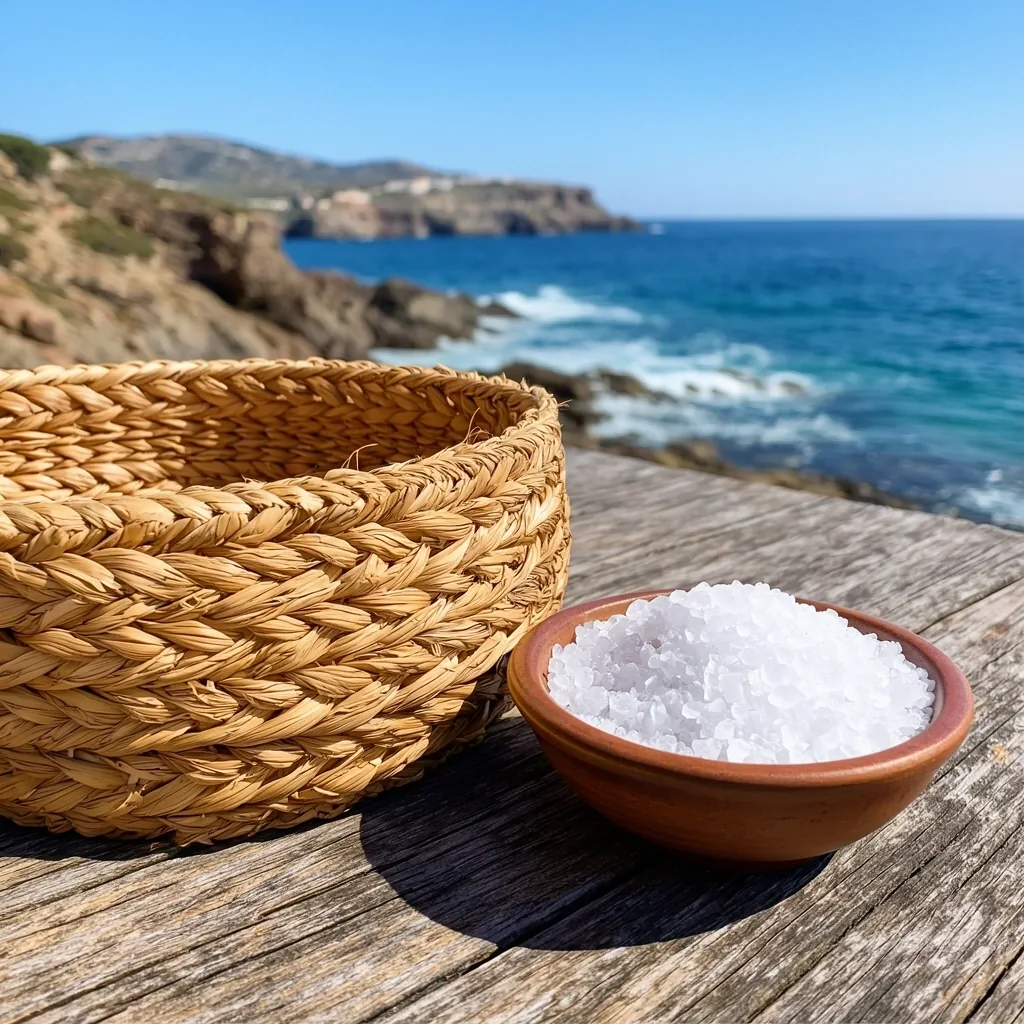
In the local context of Valencia and the broader Iberian Peninsula, vitality is deeply rooted in the relationship between land and sea. Historical records from this region emphasize the importance of rhythmic manual labor, sun exposure, and a diet rich in lipids from olives and proteins from seasonal catches.
This regional focus provides a baseline for understanding how geographic location dictated the wellness profiles of ancient populations, where the environment was both the challenge and the provider of vitality.
Documenting Folk Lore
The Reconstruction of Ancient Lifestyle Frameworks
Ancestral Infusions
By looking at how various societies utilized specific infusions, fermentation processes, and thermal cycles, we reconstruct the lifestyle frameworks that supported active lives.
View DetailsFunctional Movement
We investigate the history of movement - such as the "farmer's walk" and the steady-state cardio of pastoralism - to see how physical demands contributed to readiness.
View DetailsSurvival Readiness
These were not exercises in the modern sense but integral parts of a survival-oriented lifestyle that demanded natural states of physical capability.
View DetailsSleep History
Before artificial light, rest followed the solar cycle. Historical wellness traditions frequently mention the "first sleep" and "second sleep" patterns common in pre-industrial times.
Collective Strength
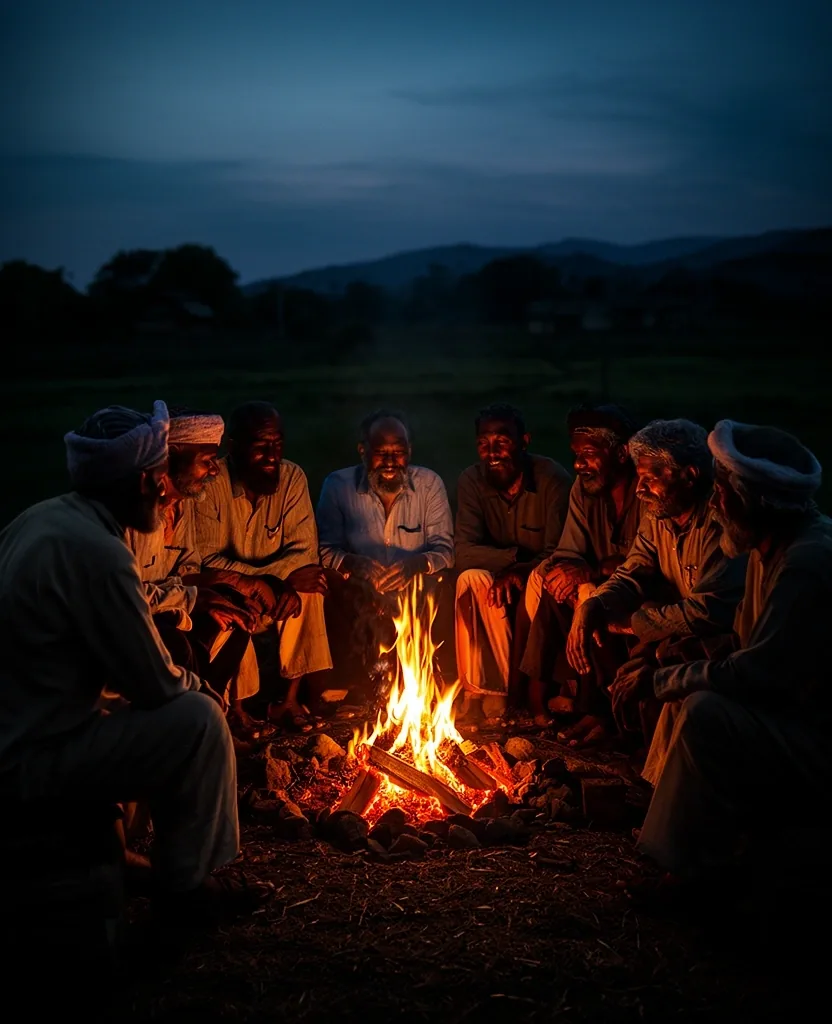
Vitality was seldom a solitary pursuit. The concept of "fraternity" and communal labor meant that individual vigor contributed directly to the group's security.
Mnemonic Record // Circadian Architecture
"Social bonds and shared purposes were as critical to a man's sense of energy as his physical diet."
Ancestral Allies & Environment
Botanical Knowledge
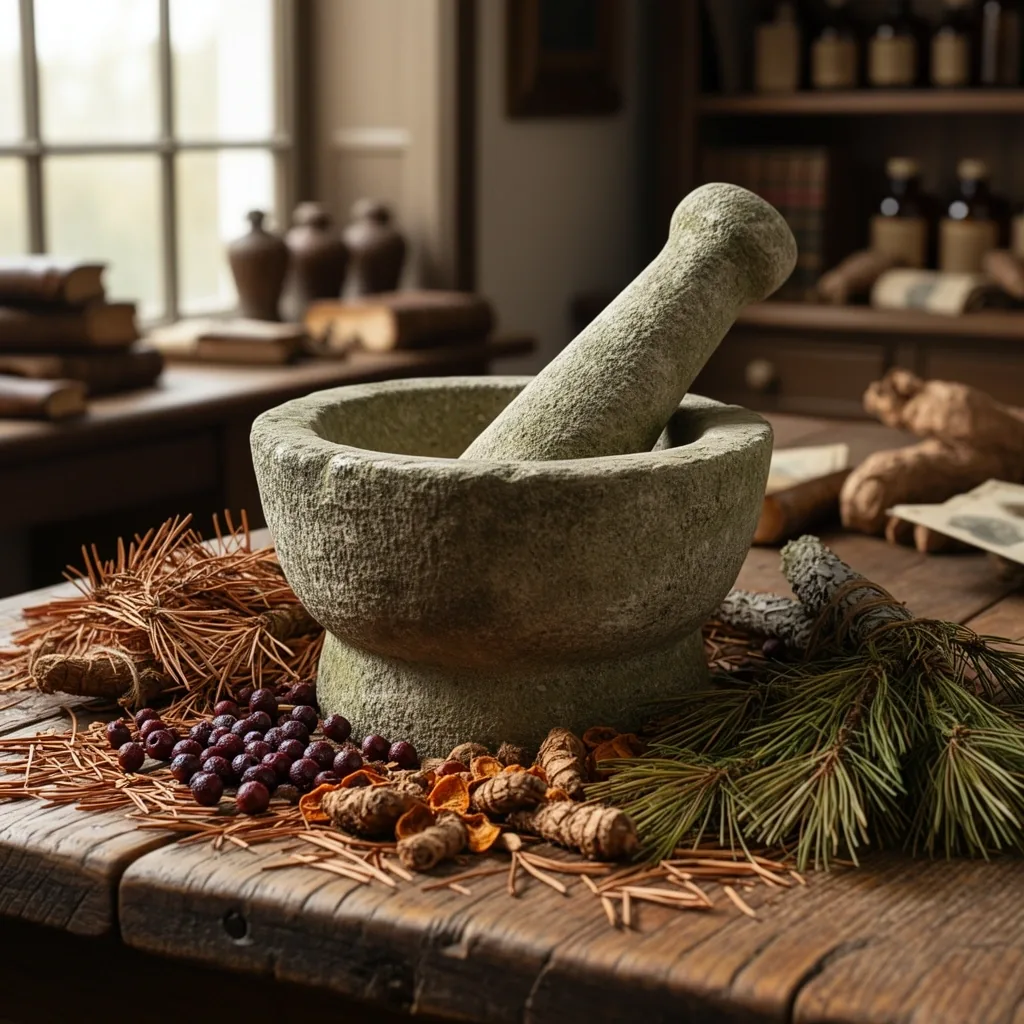
Every major civilization developed a complex relationship with the local flora. From the use of specific roots in the Far East to the bark infusions used by Germanic tribes, plants were seen as essential allies for maintaining stamina. Our research highlights the historical preparation of these botanicals without making claims regarding their efficacy in a modern medical context.
Environmental Hardening
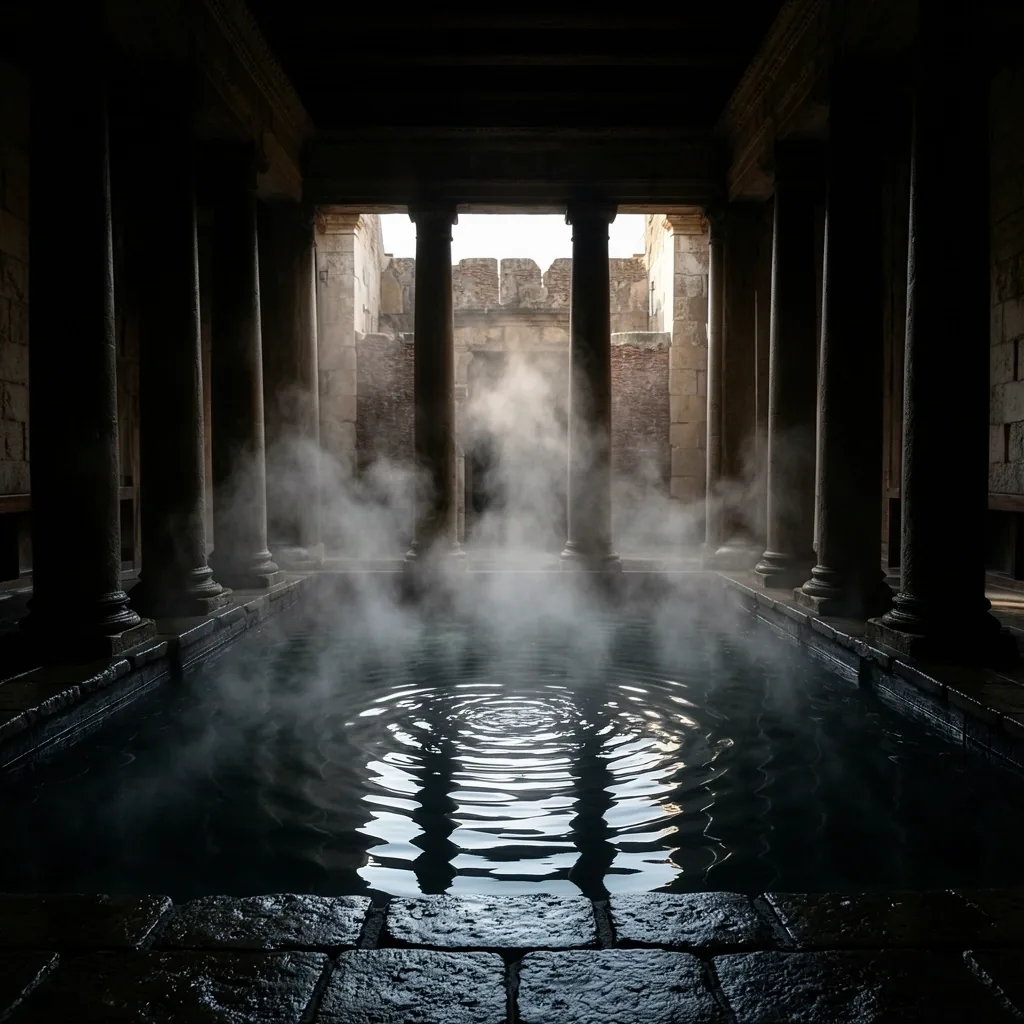
Thermal regulation, such as the use of Roman baths or Nordic saunas, represents a long-standing tradition of exposing the body to environmental stress to build resilience. These practices were often ritualized and served both hygiene and social functions while supposedly tempering the constitution.
Vernacular Knowledge // Modern Recovery
The Philosophy of Moderation and Seasonal Transitions
Stoic Temperance
Many ancient schools of thought emphasized moderation as the key to lasting vigor. Overindulgence was viewed as a drain on internal reserves. We document how different cultures practiced "temperate living" to ensure their vitality was preserved for the long term.
Temporal Adaptability
Historical wellness followed the seasons. Winter was for conservation and fatty foods, while spring and summer demanded high energy. We look at how these transitions influenced the traditional habits of men in different climate zones.
Preservation of Knowledge
The transition to an industrial society led to the loss of much vernacular knowledge regarding daily vigor. Tradición Viril aims to recover these lost threads by analyzing historical texts, oral histories, and rural practices that have survived into the 21st century.

Document ID: 2026_ARCHIVE_TRAD
Join the Study of Traditional Vigor
The materials presented on this site are intended for historians, researchers, and individuals interested in the cultural history of wellness. By exploring these sections, you gain insight into how the human experience of vitality has been shaped by tradition rather than technology.