
Historical Dietary Patterns and Traditional Foods
An exploration of the "vitality diets" of the past, focusing on whole foods and preparation methods that have survived the test of time across civilizations.
The Foundations of Resilience
Nutrition is perhaps the most documented aspect of traditional vitality. Long before the calculation of macronutrients, civilizations understood that certain foods were essential for strength, stamina, and resilience.
This archive documents the historical patterns where food was not seen as mere calories but as essential "fuel" for the cardiovascular system and the brain. In traditional Valencia and across the Mediterranean, the diet was a calibrated system of foraged goods, fermented staples, and seasonal proteins.
Seasonal Intelligence
Consuming what the land provided in its exact moment of peak density.
Digestive Fire
Utilizing fermentation to unlock energy that remained dormant in raw staples.
The Mediterranean Fat Balance
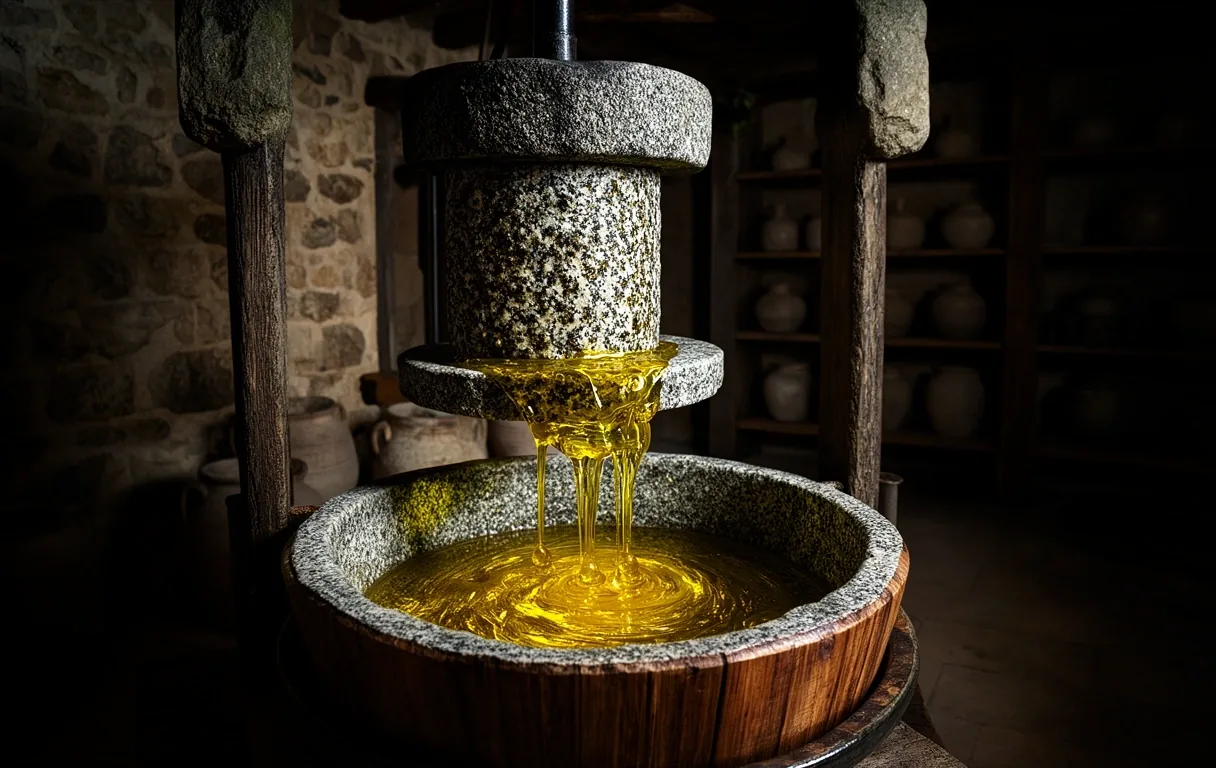
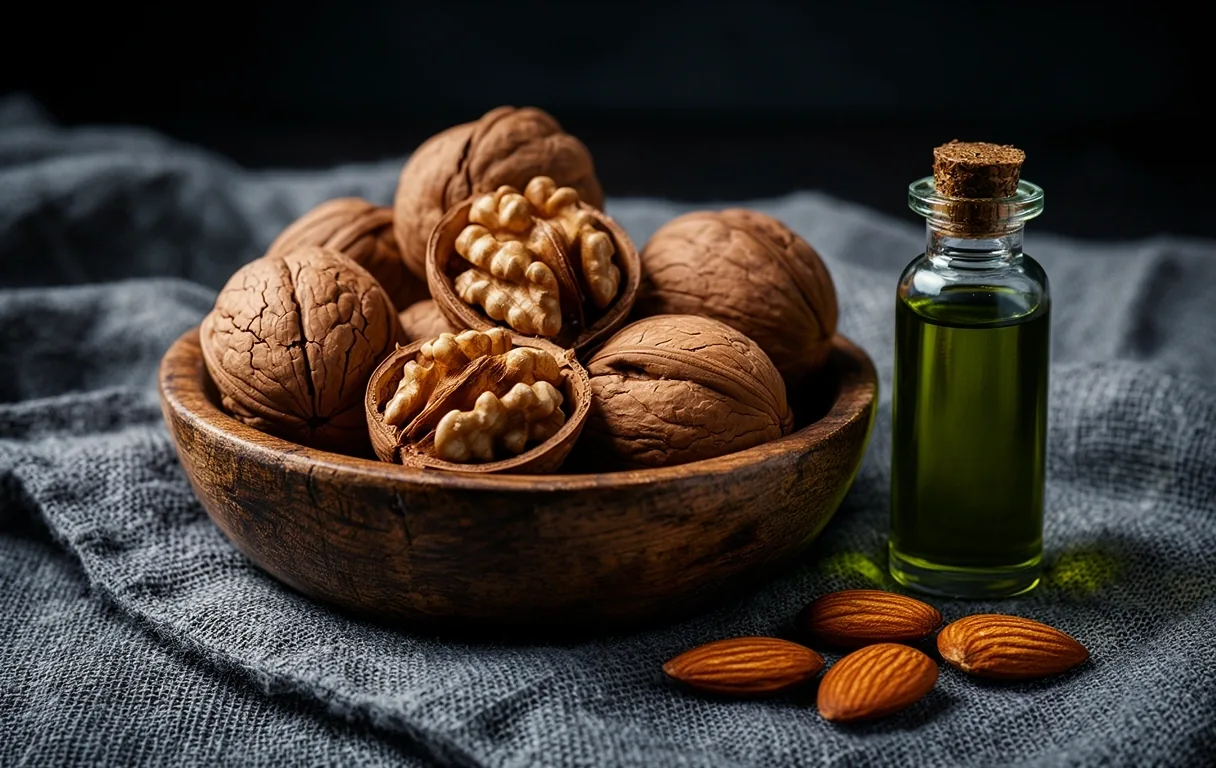
In the historical Iberian diet, vitality was linked to the consumption of high-quality fats, primarily from extra virgin olive oil and nuts like almonds and walnuts.
-
01
Olive Oil Protocol
First-press oils used as a primary vehicle for micronutrients and heart resilience.
-
02
The Nut Harvest
Concentrated energy stores from walnuts and almonds, integrated into daily sustenance.
Grains and the Strength of the Earth
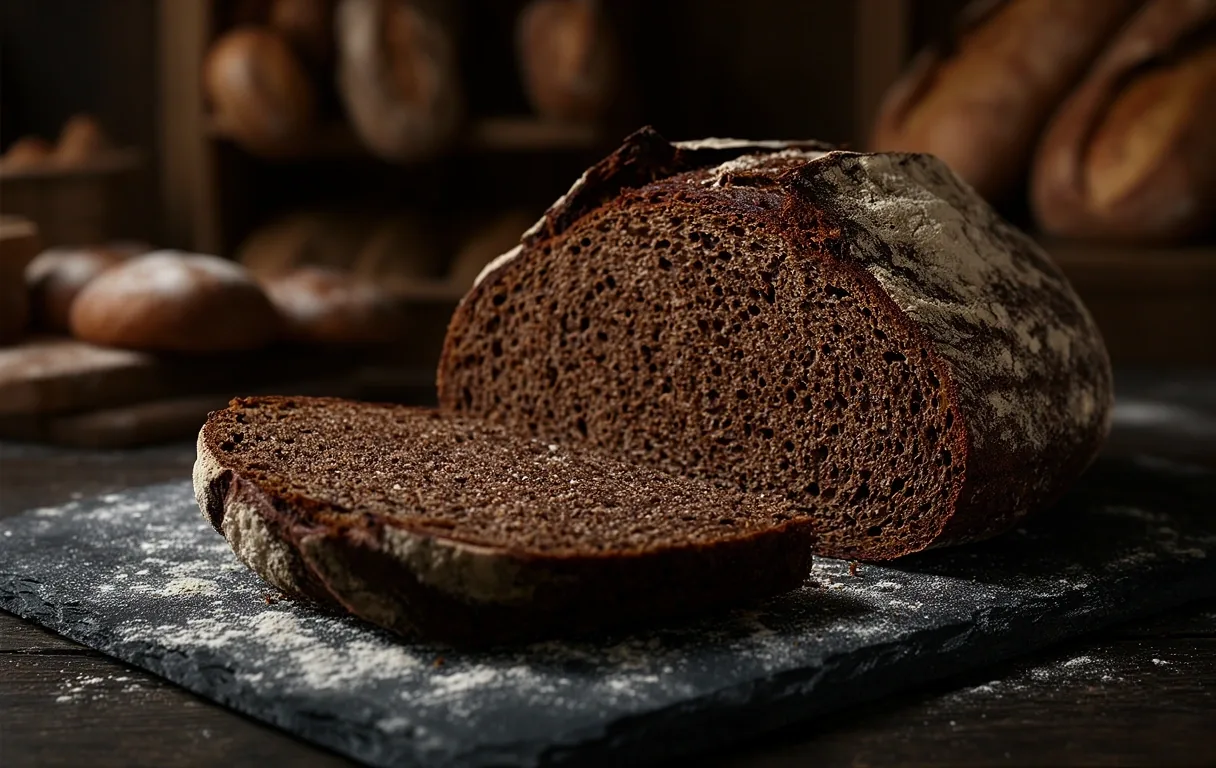
Unprocessed grains have been the backbone of male vigor for millennia. Whether it was the rye of Northern Europe or the barley of the Mediterranean, these complex carbohydrates provided the sustained energy required for agricultural labor and defense.
The Role of Animal Proteins in History
Organ Meats
Historically reserved for those performing the hardest physical tasks, viewed as concentrated sources of internal fire.
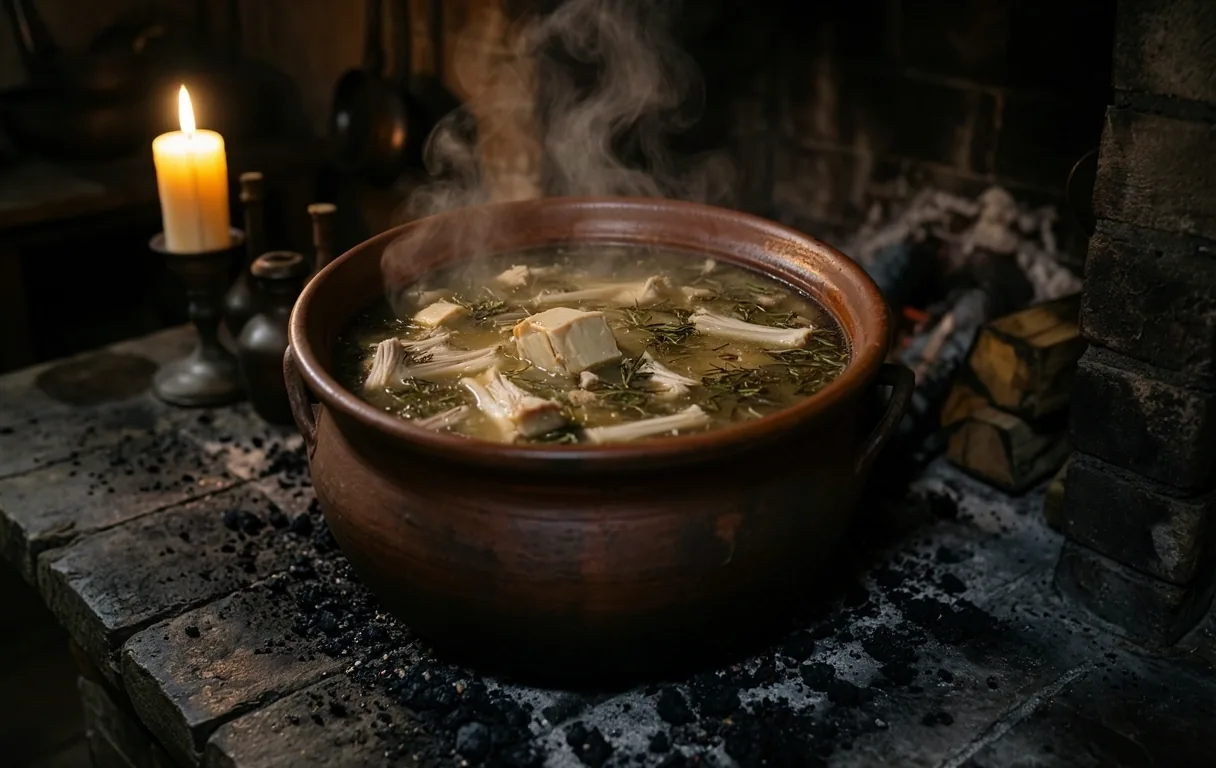
Bone Broths
Slow-cooked preparations designed to extract the fundamental building blocks of vitality and joint resilience.
Curing Methods
Traditional air-drying and salting techniques used to maintain nutritional density across the seasons.
Foraged Greens and Bitter Herbs
Ancient diets were far more diverse in their plant intake than the modern palette. The consumption of wild, bitter greens was a common spring tradition across Europe, believed to "clear the blood" after a long winter.
Dandelion, chicory, and wild sorrel provided the essential seasonal shift in metabolism required for active labor.
Fermentation as a Preservation of Vigor
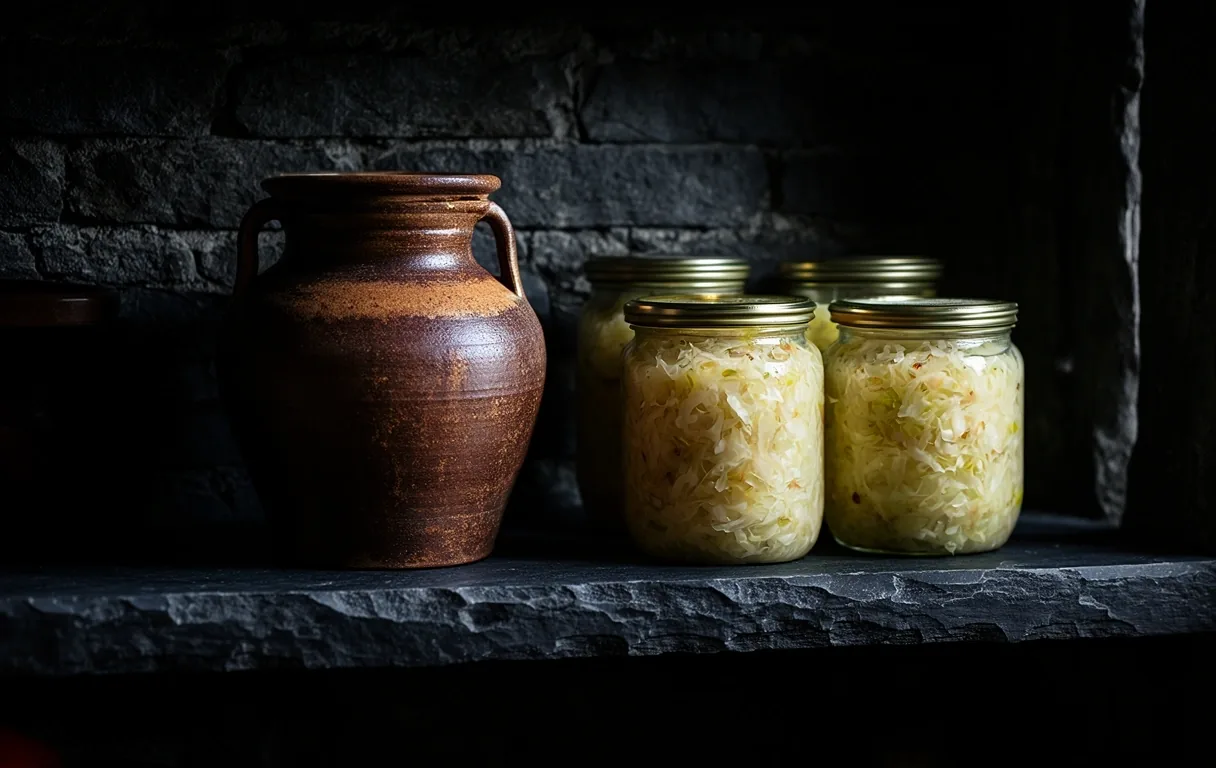
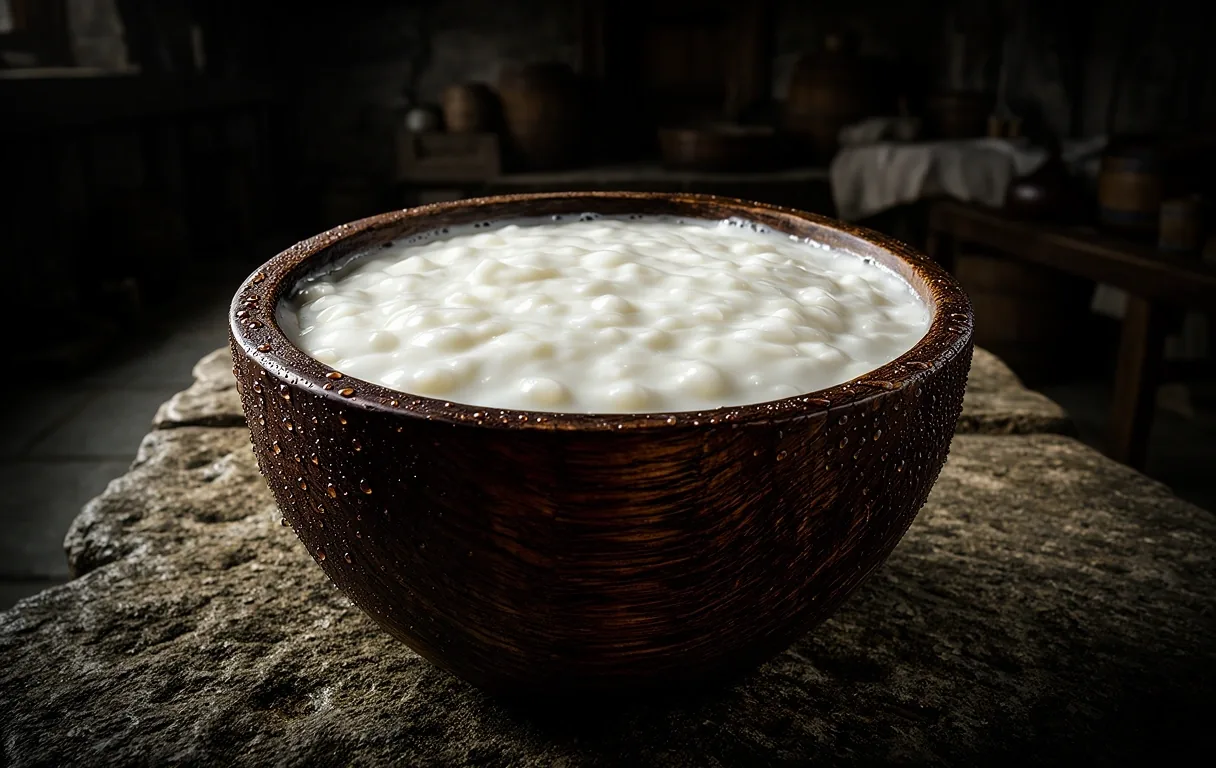
From sauerkraut to kefir, fermentation was a universal method for preserving food and enhancing its nutritional value. It was essential for maintaining "internal fire" and digestive health.
Rhythms of Sustenance
Hydration Traditions
Infusions of local herbs, diluted vinegars, and low-alcohol fermented beverages were common. These drinks replaced salts lost during labor or provided a mild energy lift without modern crashes.
The Timing of the Feast
Most traditional cultures practiced a form of intermittent fasting, dictated by the rhythm of work. A large meal was typically earned through a day of activity, a pattern found in folk histories globally.
Honey & Bee Products
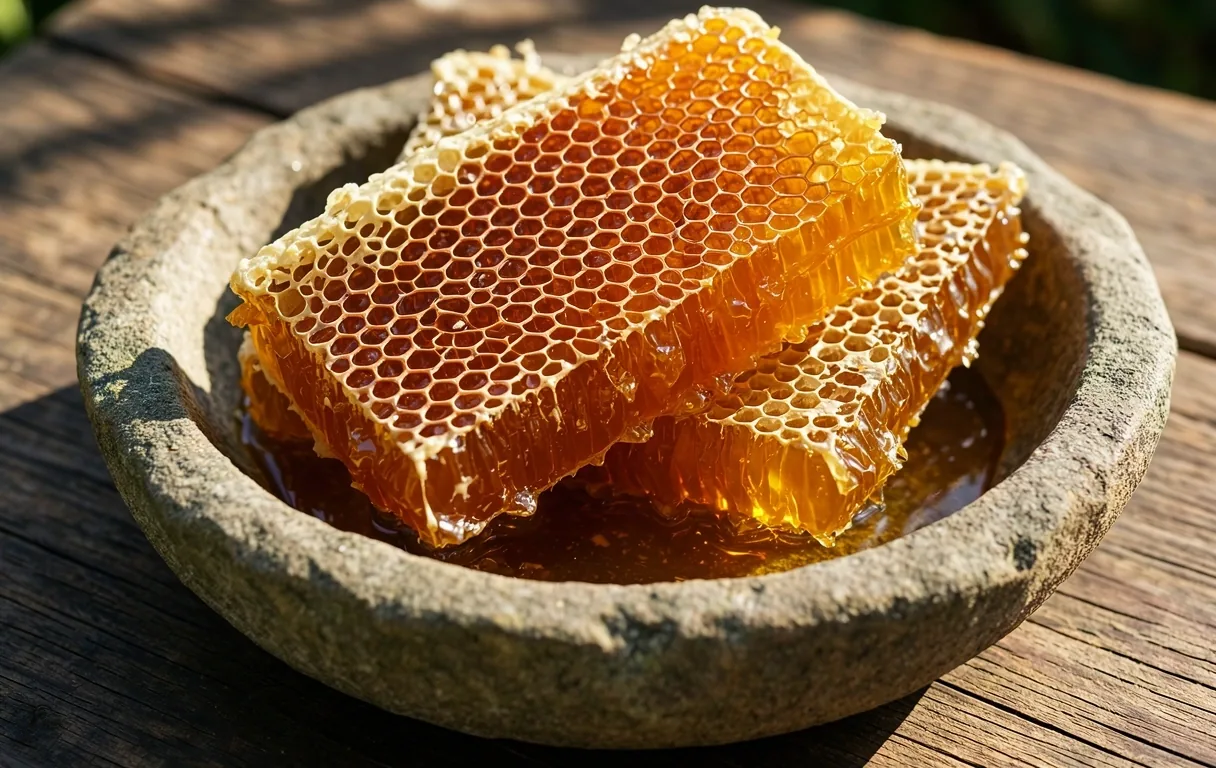
Honey, pollen, and royal jelly were prized as "liquid gold" for immediate bursts of stamina. Apiculture was central to vigor rituals for those needing quick energy stores.
The Gold of the Wild
In every corner of the world, apiculture was more than a craft—it was a preservation of life force. The raw, unfiltered output of the hive was utilized as a primary tool for those requiring immense physical output and mental clarity.