
The History of Botanicals and Folk Infusions
Plants have always been the primary tools for those seeking to maintain vigor. Traditional botanical lore is a vast field of study, encompassing everything from common kitchen herbs to rare mountain roots.
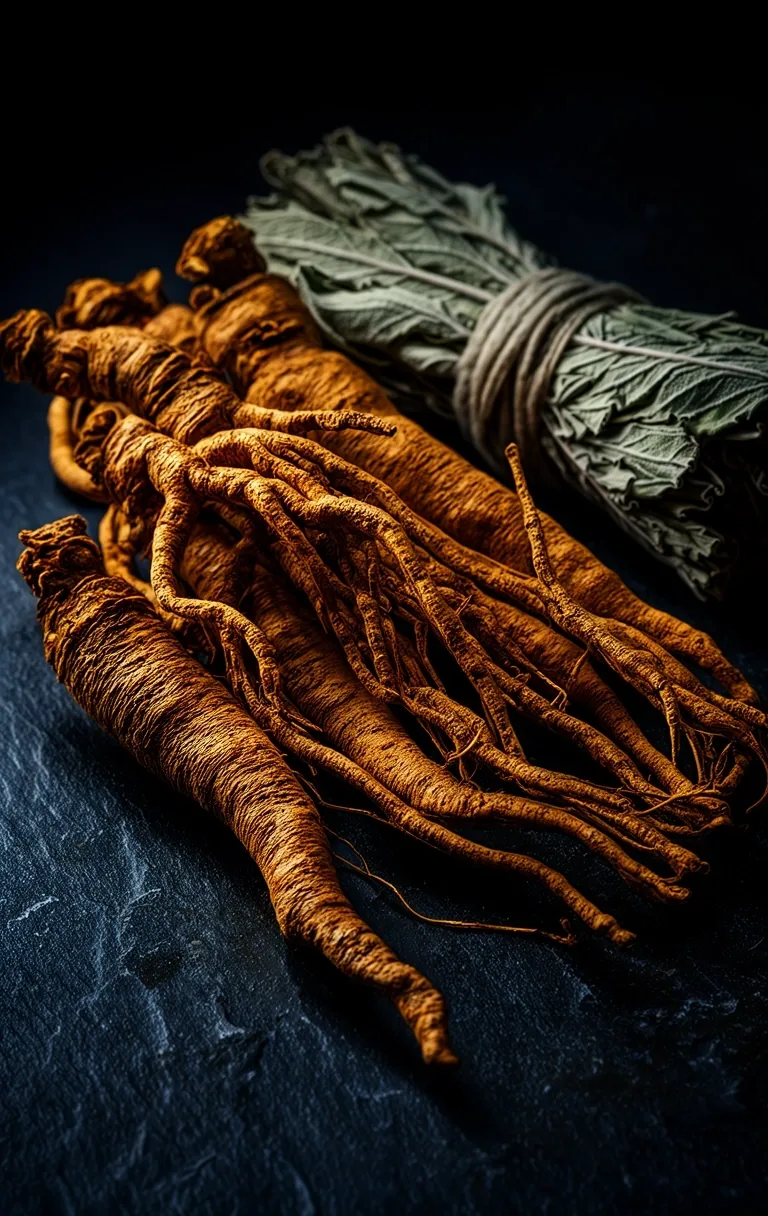
Documentation Intro
At Tradición Viril, we document the history of how these plants were used by previous generations to support stamina and general well-being.
Our research spans centuries of oral tradition and written records. In an era long before standardized measurements, vitality was maintained through a deep, intuitive relationship with the local environment. We look back at how agrarian societies and nomadic tribes alike identified specific flora that mirrored the resilience of the men who consumed them.
This archive does not aim to provide modern solutions, but rather to preserve the cultural heritage of plant-based wellness history. By understanding how the ancients viewed roots, barks, and seeds, we gain a wider perspective on the enduring human quest for lasting vitality and strength.
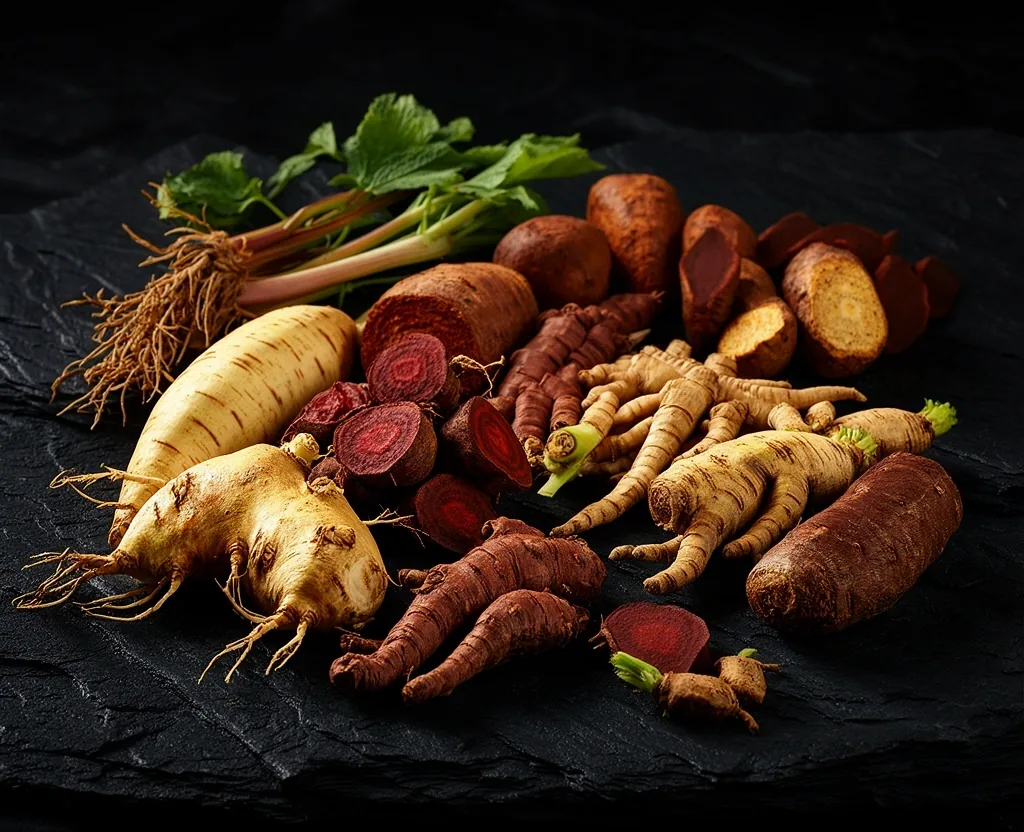
Roots of the East and West
Root vegetables and tubers have a long history of being associated with "grounded" strength. These plants, which grow in the quiet dark of the earth, were believed to absorb the stabilizing energy of the land itself.
From the ginseng of Asia, revered for millennia as a "man-root" due to its shape, to the high-altitude maca of the Andes, these hardy botanicals were the centerpieces of traditional vitality preparations. In Eastern Europe, the pungent horseradish was valued not only for its flavor but for its perceived ability to clear the senses and fortify the spirit.
Ancient lore suggests that the difficulty of harvesting these roots—often found in rugged, rocky terrain—was part of their mystique, suggesting that only those willing to toil would receive their benefits.
Leaf-Based Energy Infusions
Teas and infusions have been used for millennia to provide a gentle lift in energy through botanical traditions.
The Nettle Path
Beyond the common tea leaf, nettle was a staple of Northern European lore. It was believed to fortify the blood and provide clarity during a long day of physical toil in the fields.
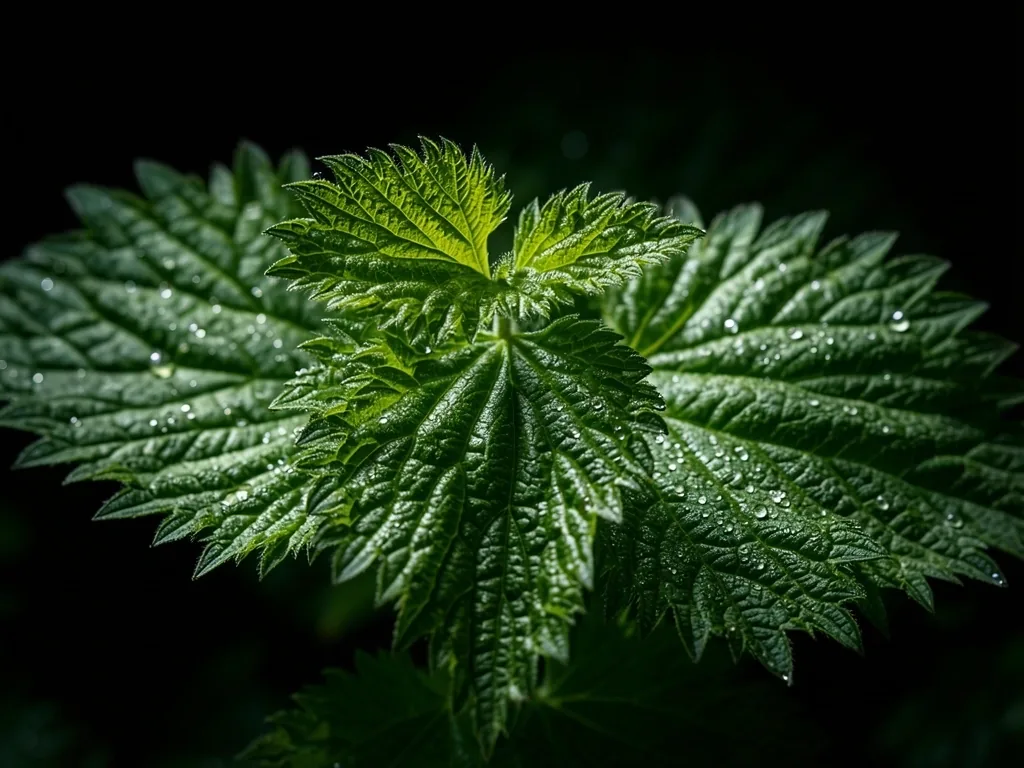
Forest Mint & Wild Leaves
Various forest leaves were harvested at dawn to preserve their aromatic oils. These drinks were ceremonial, marking the transition from rest to focused action.
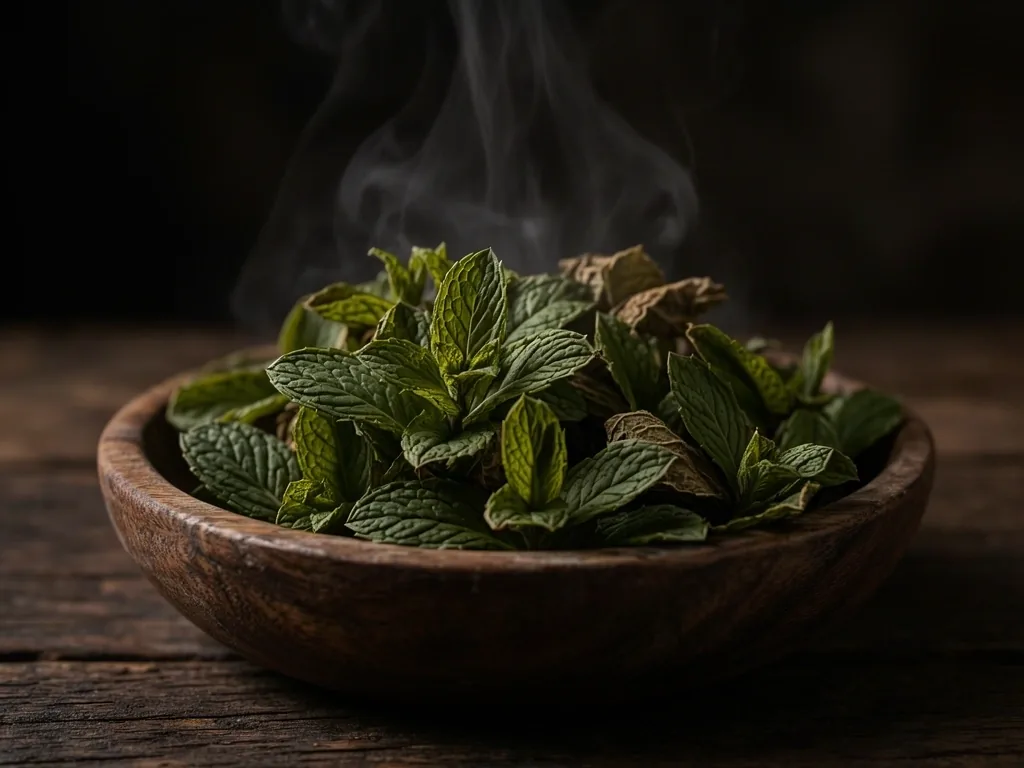
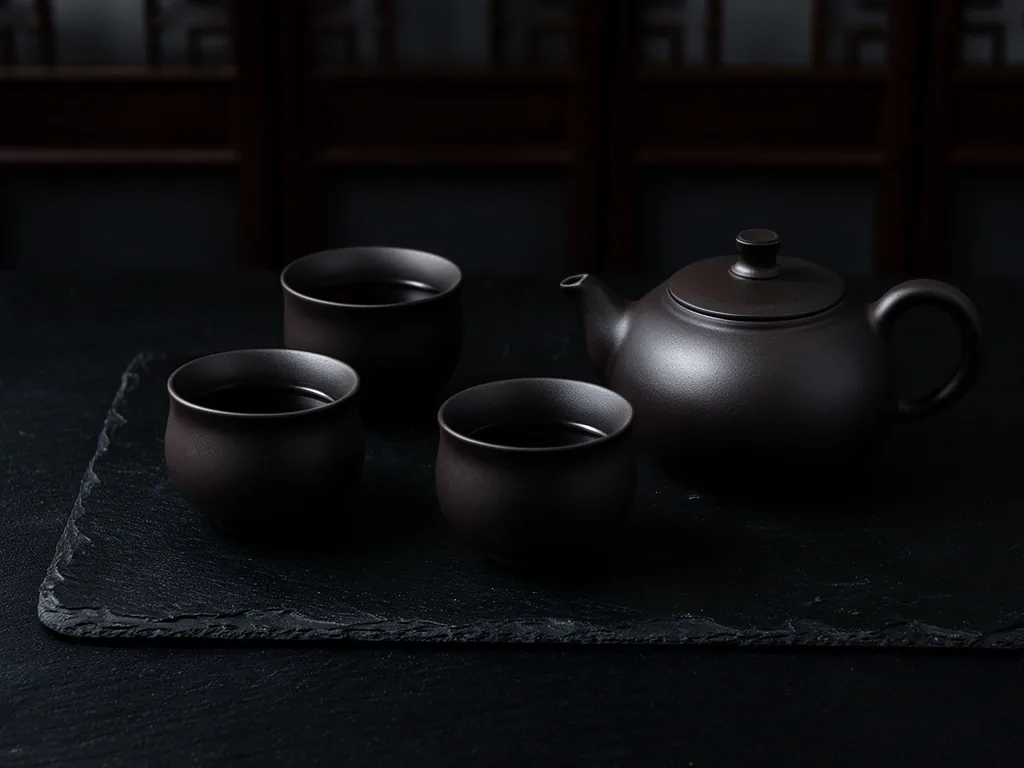
Ancient Tea Ceremonies
In the East, tea was more than a beverage—it was a philosophical tool for presence. The ritual of preparation was as vital as the consumption itself.
Seed and Nut Vitality
Seeds were viewed as the "essence" of a plant, containing all the concentrated energy needed for new life to burst forth. Historically, these compact nutrient sources were the companions of travelers and workers.
Dietary traditions often emphasized pumpkin seeds, sunflower seeds, and various nuts as essential snacks for men on the move. We look at the folklore that suggested these small foods were the secret to lasting stamina during long winter months or extended periods of exertion.
- Pumpkin Seeds: Valued in both American and European folk traditions.
- Walnuts & Almonds: Seen as symbols of intellectual and physical resilience.
- Ancient Grains: Flax and hemp seeds documented in early agrarian texts.

Bark and Resin Traditions
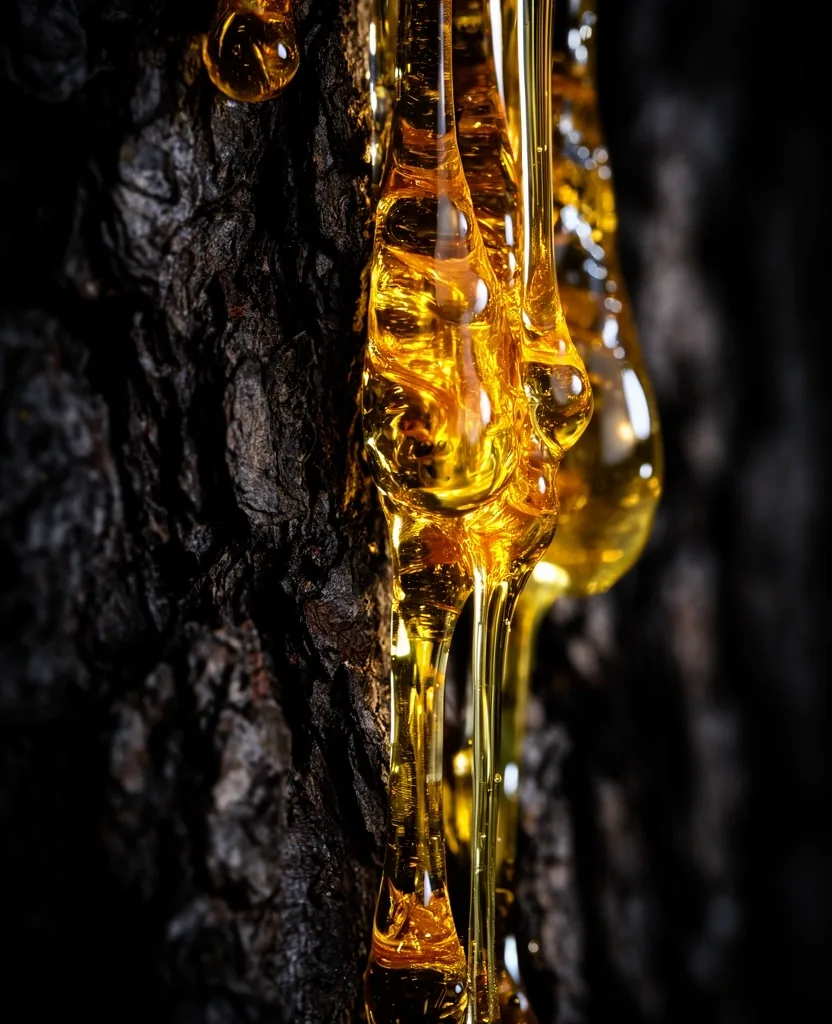
The protective outer layers of trees—barks and resins—were often harvested for their perceived strengthening properties. Just as these materials protect the tree from the elements, they were believed to offer a layer of defense and inner heat to those who used them.
Pine resin, for example, has a long history of use in both the Mediterranean and Northern Europe as a tonic for those recovering from exhaustion. Its sharp, clean scent was considered as important as its physical properties, believed to "open the lungs" and restore one's connection to the primal energy of the forest.
The Vitality Garden
Every village once had someone who knew the properties of the local flora. We document the history of the "vitality garden," where specific plants were grown not just for food, but for their ability to help a man maintain his vigor through the changing seasons. These gardens were living archives, passed down through generations of families.
Learn more about heritageSymbolic Plants of Strength
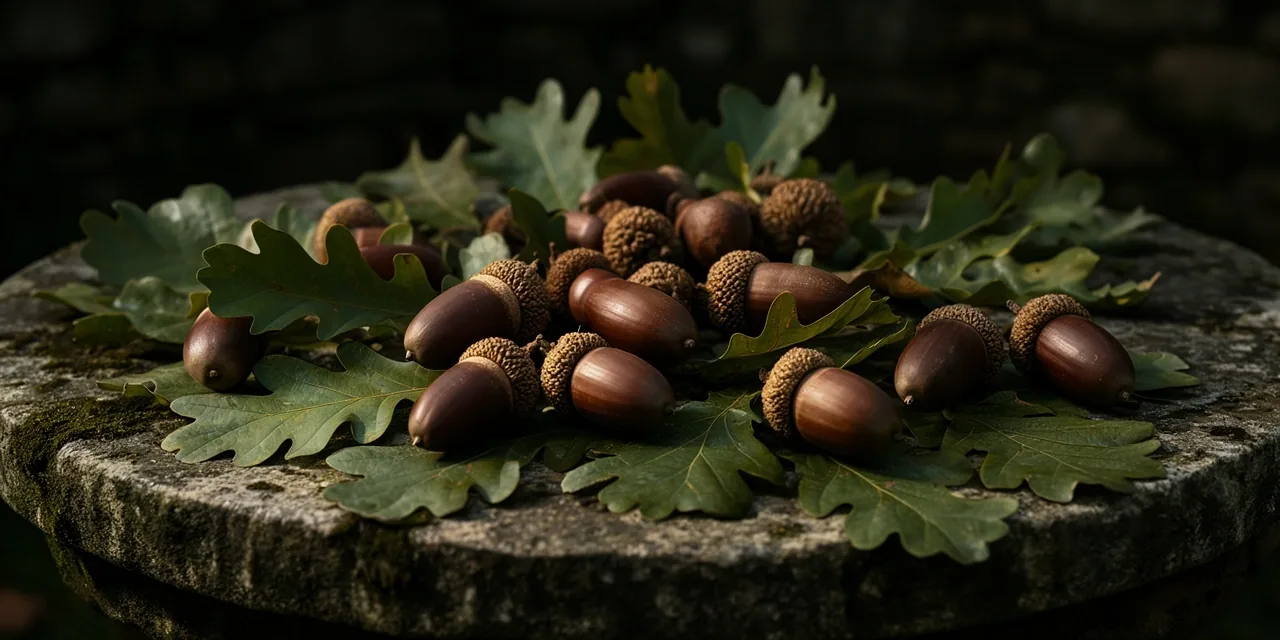
The oak tree has always been a symbol of male strength. Historical lore often involved using its acorns or leaves in rituals intended to transfer that legendary endurance to the individual. In many cultures, the physical presence of a specific plant in the home was as important as its consumption.
Traditional Preservation and Respect
Ensuring Longevity
Drying, pickling, and infusing in oils or vinegars were the primary ways that botanical knowledge was preserved. We examine the historical methods of ensuring that the "power" of summer plants was available during the lean months of winter, keeping vitality constant regardless of the weather.
Respect for Nature
Traditional lore always emphasized that botanicals must be used with respect and knowledge. We highlight the historical warnings found in old herbals, reminding our readers that while nature provides, it must be approached with a trained eye and a profound understanding of limits.